


Connor Lambert started taking photos at 15 without much of a reason, then spent years photographing musicians, summers and people in ways that made ordinary life look suspiciously good. These days he is in Wānaka, heading up operations at Wolf Coffee Roasters and taking another long-running obsession, coffee, just as seriously.
Connor Lambert does not have one of those beautifully rehearsed creative-origin stories people tend to develop once a hobby becomes a career. There was no grandfather handing him an old Leica, no childhood darkroom and no moment where a teacher recognised something special and quietly told him to follow the light. He picked up a camera at 15 because, as far as he can remember, he just did.
Years later, when asked how it all started, Lambert still could not offer much more than that. He described photography as something that arrived almost randomly, as though the universe had made more of the decision than he had. It is not much of an origin story, but it turns out he did not really need one.
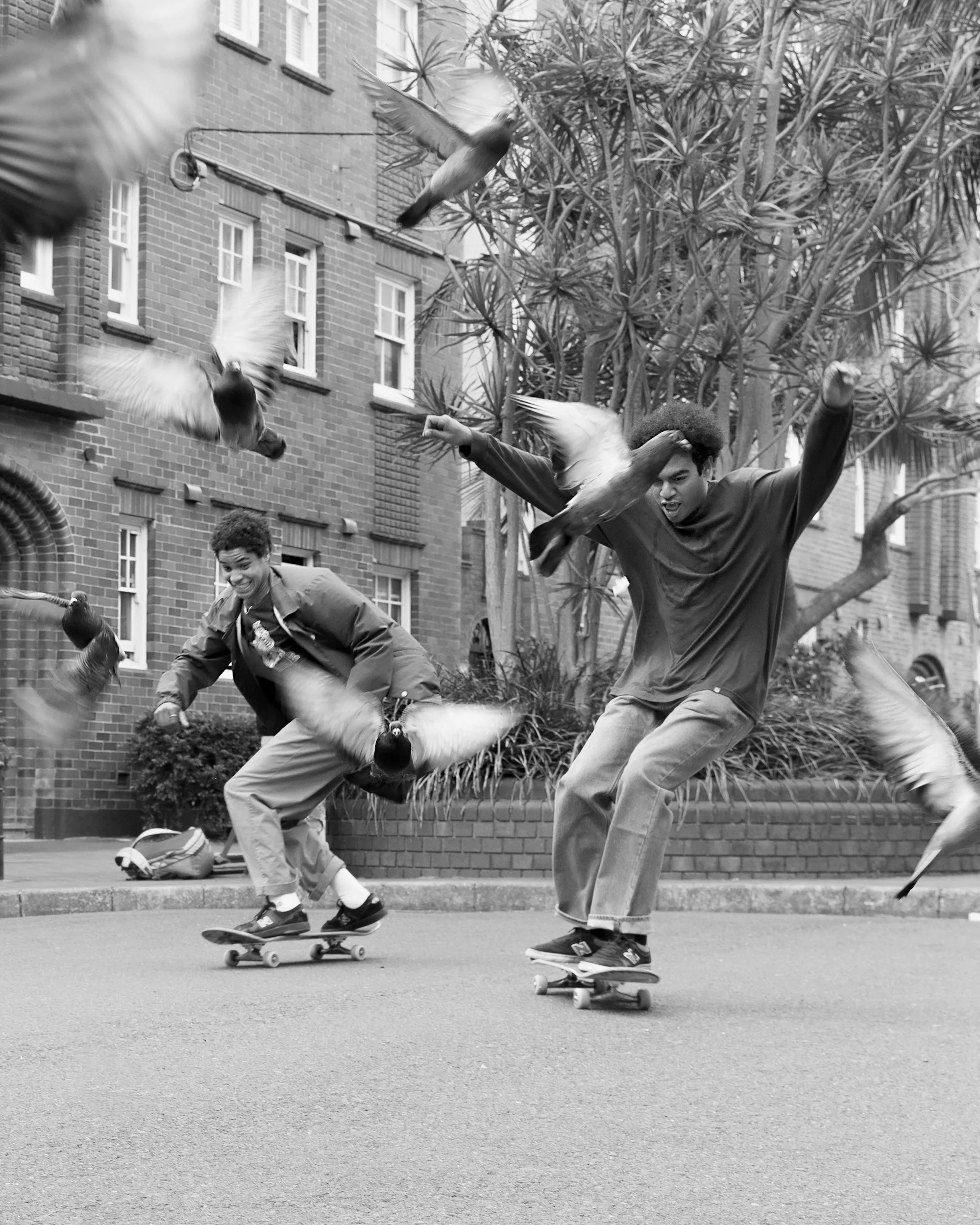
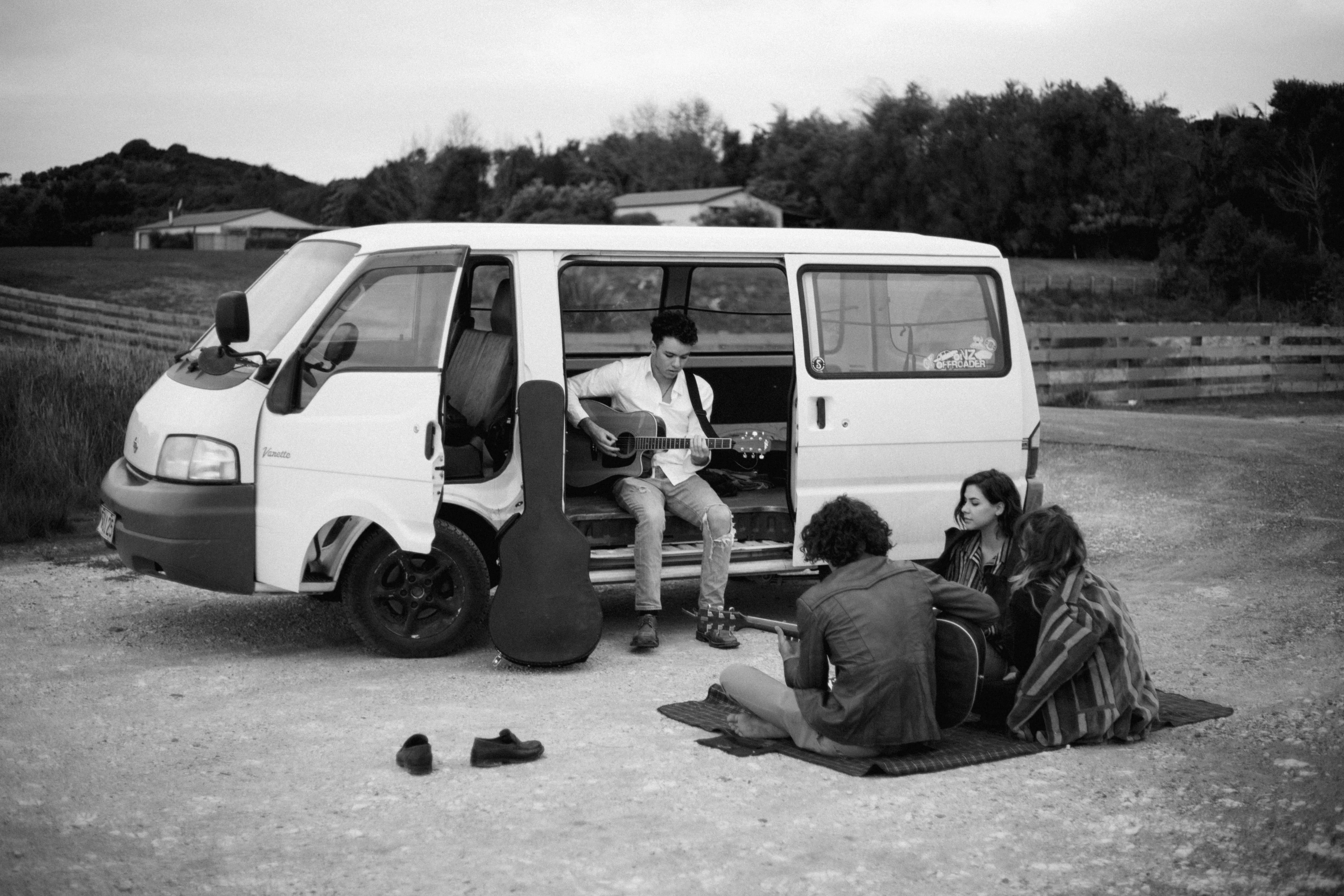
What followed was years of taking photographs that somehow made New Zealand look cooler than most of us remember it being. Lambert’s pictures are grainy, messy and often slightly late to whatever was happening in front of him, with faces disappearing into shadow, bodies moving through the frame and enough imperfection left behind that the image still feels like somebody was actually there.
Source: vice.com
That became particularly obvious in his early work around New Zealand summers. VICE published his Summer in Black and White series in 2018, filled with the kind of things nobody thinks to photograph properly because they are happening all the time: bare feet, hot roads, drinks outside, bodies around water and people doing very little with impressive commitment.
Source: vice.com
Lambert described winter as the time when summer became an idea again, remembered through the smell of sunblock, hot tarmac and Christmas bubbles until the real thing eventually came back. It is quite a romantic way to talk about a New Zealand summer, which in practice usually involves someone getting sunburnt at 11am and an argument about whether anyone remembered the chilly bin, but the photographs make his point better than the description ever could.
They already contain something that has followed Lambert through most of his work. He is not particularly interested in making a moment look perfect. He wants it to feel like the kind of thing somebody might remember later.
Music fitted into that naturally. Lambert began photographing bands including Lime Cordiale and Sticky Fingers, where poor lighting, sweat, movement and people temporarily forgetting how they look in photographs were all advantages rather than problems.
One of the bigger opportunities arrived while he was working in a café, which, in hindsight, feels almost too appropriate. Sticky Fingers frontman Dylan Frost happened to come in, saw Lambert’s work and invited him to photograph the band in Melbourne. Not long afterwards Lambert was walking into an arena with his cameras, having achieved the sort of career progression that LinkedIn remains frustratingly unable to teach: make coffee, meet musician, go to Australia.
The music work kept growing because Lambert’s style made sense around people who already had plenty of polished photographs of themselves. His images gave them something else. There was blur, grain, movement and the sense that the camera had caught part of a night rather than stopped the night so everyone could pose for it.
That approach also carried into portraiture and creative collaborations. Lambert has spoken about treating whoever is standing in front of him like a puzzle, trying to understand enough of the person to find an image without expecting that he will ever completely figure them out. It is a nicer philosophy than the usual photographer language about “capturing authenticity”, mostly because people are complicated and cameras do not magically fix that.
Eventually still images were not quite enough. Friends began asking him to make moving ones too, including musicians such as MACEY and Jack Panther, and Lambert moved into directing without ever appearing to make a grand announcement that he had now entered his Director Era.
The projects followed the same slightly accidental pattern as the rest of the career. Somebody knew him, liked what he made and asked whether he wanted to try something else. Suddenly a photography practice had become music videos, creative direction and a wider visual world built around the same instinct he had been following since he was 15.
There is a neat version of this story where Lambert eventually becomes a full-time photographer, moves to a bigger city and continues climbing some invisible creative-industry ladder until he is flying to Paris to photograph people nobody at home can afford to dress. Instead, another obsession started taking up more room…. Coffee had been there for years.
It was there in the cafés where he worked, in the people he met and eventually in the career itself. Lambert spent time at Atomic Coffee Roasters in Auckland working on the wholesale side of the business, helping cafés with the less glamorous reality that sits behind a good flat white: beans, equipment, training, consistency and making sure tomorrow morning’s coffee is as good as today’s. Atomic still lists Lambert among its wholesale team, a useful little bridge between the creative world he was known for and the coffee one he was quietly getting much deeper into.

Photo by Denise Jans on Unsplash
These days, Lambert is based in Wānaka and heads up operations at Wolf Coffee Roasters, taking what had long been a personal passion and putting it much closer to the centre of his working life. Wolf roasts in Arrowtown and supplies cafés across Queenstown and Wānaka, with its own philosophy built around coffee as a way to connect people rather than merely keep them awake. The company talks about making the world feel “a little more local” through coffee, which could just as easily describe what Lambert has been doing with a camera for years.
The shift from photography into coffee sounds stranger on paper than it does when you look at the two things beside each other. Both become completely obsessive once you care enough. There are people who can happily drink whatever coffee is put in front of them, just as there are people who can take a perfectly good photograph on their phone and never wonder why the light looked better at 4.37pm than it did ten minutes earlier.
Lambert does not seem to belong to either group.
Coffee offers the same endless rabbit holes as photography: origin, process, equipment, timing, taste and hundreds of tiny decisions most people never see before the finished thing arrives in front of them. A great cup can look remarkably straightforward considering the amount of fuss required to make it consistently, which is not entirely different from a photograph that looks accidental despite somebody spending years learning when to press the shutter.
Wānaka makes sense as the place for those interests to meet. It is small enough that the person making your coffee might still become someone you know, while being full of the sort of landscapes that make anybody carrying a camera briefly insufferable. Wolf’s coffee now turns up across cafés in Wānaka, Queenstown and Arrowtown, from places like Scroggin and Crumb to restaurants and neighbourhood spots throughout the region.
None of this means Lambert stopped being a photographer the moment coffee became the day job. That would make the story much tidier and also less interesting. The camera remains part of him, just without the pressure of needing every creative interest to become the one definitive answer to what he does.
There is something increasingly appealing about that kind of career. Creative people are encouraged to turn themselves into one easily searchable thing, then spend years feeding it so the algorithm does not become confused. Photographer. Director. Designer. Coffee person. Choose the noun, put it in the bio and please try not to develop another personality.

Supplied.
Lambert’s path has been looser. Photography led him into music, people and film. Cafés led into coffee, wholesale and eventually operations. Moving south changed the landscape around both, while the same slightly obsessive attention to things other people might not notice seems to have survived the entire trip.
Maybe taste is the better thread than any job title. Lambert knows when a photograph feels right and, increasingly, when a coffee does too. Neither skill is particularly easy to explain to somebody who cannot see the difference, which is possibly why people spend so much time becoming good at them.
At 15, Lambert had no great explanation for why he picked up the camera. He probably did not know it would take him backstage with bands, into creative work around New Zealand and eventually into a completely different industry that had quietly been sitting beside him the entire time.
Now he is in Wānaka, surrounded by mountains, running operations for a coffee roaster and still making images when something feels worth keeping.
It is not a particularly straight career.
It does, however, seem like a pretty good life.
Connor Lambert does not have one of those beautifully rehearsed creative-origin stories people tend to develop once a hobby becomes a career. There was no grandfather handing him an old Leica, no childhood darkroom and no moment where a teacher recognised something special and quietly told him to follow the light. He picked up a camera at 15 because, as far as he can remember, he just did.
Years later, when asked how it all started, Lambert still could not offer much more than that. He described photography as something that arrived almost randomly, as though the universe had made more of the decision than he had. It is not much of an origin story, but it turns out he did not really need one.
What followed was years of taking photographs that somehow made New Zealand look cooler than most of us remember it being. Lambert’s pictures are grainy, messy and often slightly late to whatever was happening in front of him, with faces disappearing into shadow, bodies moving through the frame and enough imperfection left behind that the image still feels like somebody was actually there.
Source: vice.com
That became particularly obvious in his early work around New Zealand summers. VICE published his Summer in Black and White series in 2018, filled with the kind of things nobody thinks to photograph properly because they are happening all the time: bare feet, hot roads, drinks outside, bodies around water and people doing very little with impressive commitment.
Source: vice.com
Lambert described winter as the time when summer became an idea again, remembered through the smell of sunblock, hot tarmac and Christmas bubbles until the real thing eventually came back. It is quite a romantic way to talk about a New Zealand summer, which in practice usually involves someone getting sunburnt at 11am and an argument about whether anyone remembered the chilly bin, but the photographs make his point better than the description ever could.
They already contain something that has followed Lambert through most of his work. He is not particularly interested in making a moment look perfect. He wants it to feel like the kind of thing somebody might remember later.
Music fitted into that naturally. Lambert began photographing bands including Lime Cordiale and Sticky Fingers, where poor lighting, sweat, movement and people temporarily forgetting how they look in photographs were all advantages rather than problems.
One of the bigger opportunities arrived while he was working in a café, which, in hindsight, feels almost too appropriate. Sticky Fingers frontman Dylan Frost happened to come in, saw Lambert’s work and invited him to photograph the band in Melbourne. Not long afterwards Lambert was walking into an arena with his cameras, having achieved the sort of career progression that LinkedIn remains frustratingly unable to teach: make coffee, meet musician, go to Australia.
The music work kept growing because Lambert’s style made sense around people who already had plenty of polished photographs of themselves. His images gave them something else. There was blur, grain, movement and the sense that the camera had caught part of a night rather than stopped the night so everyone could pose for it.
That approach also carried into portraiture and creative collaborations. Lambert has spoken about treating whoever is standing in front of him like a puzzle, trying to understand enough of the person to find an image without expecting that he will ever completely figure them out. It is a nicer philosophy than the usual photographer language about “capturing authenticity”, mostly because people are complicated and cameras do not magically fix that.
Eventually still images were not quite enough. Friends began asking him to make moving ones too, including musicians such as MACEY and Jack Panther, and Lambert moved into directing without ever appearing to make a grand announcement that he had now entered his Director Era.
The projects followed the same slightly accidental pattern as the rest of the career. Somebody knew him, liked what he made and asked whether he wanted to try something else. Suddenly a photography practice had become music videos, creative direction and a wider visual world built around the same instinct he had been following since he was 15.
There is a neat version of this story where Lambert eventually becomes a full-time photographer, moves to a bigger city and continues climbing some invisible creative-industry ladder until he is flying to Paris to photograph people nobody at home can afford to dress. Instead, another obsession started taking up more room…. Coffee had been there for years.
It was there in the cafés where he worked, in the people he met and eventually in the career itself. Lambert spent time at Atomic Coffee Roasters in Auckland working on the wholesale side of the business, helping cafés with the less glamorous reality that sits behind a good flat white: beans, equipment, training, consistency and making sure tomorrow morning’s coffee is as good as today’s. Atomic still lists Lambert among its wholesale team, a useful little bridge between the creative world he was known for and the coffee one he was quietly getting much deeper into.
Photo by Denise Jans on Unsplash
These days, Lambert is based in Wānaka and heads up operations at Wolf Coffee Roasters, taking what had long been a personal passion and putting it much closer to the centre of his working life. Wolf roasts in Arrowtown and supplies cafés across Queenstown and Wānaka, with its own philosophy built around coffee as a way to connect people rather than merely keep them awake. The company talks about making the world feel “a little more local” through coffee, which could just as easily describe what Lambert has been doing with a camera for years.
The shift from photography into coffee sounds stranger on paper than it does when you look at the two things beside each other. Both become completely obsessive once you care enough. There are people who can happily drink whatever coffee is put in front of them, just as there are people who can take a perfectly good photograph on their phone and never wonder why the light looked better at 4.37pm than it did ten minutes earlier.
Lambert does not seem to belong to either group.
Coffee offers the same endless rabbit holes as photography: origin, process, equipment, timing, taste and hundreds of tiny decisions most people never see before the finished thing arrives in front of them. A great cup can look remarkably straightforward considering the amount of fuss required to make it consistently, which is not entirely different from a photograph that looks accidental despite somebody spending years learning when to press the shutter.
Wānaka makes sense as the place for those interests to meet. It is small enough that the person making your coffee might still become someone you know, while being full of the sort of landscapes that make anybody carrying a camera briefly insufferable. Wolf’s coffee now turns up across cafés in Wānaka, Queenstown and Arrowtown, from places like Scroggin and Crumb to restaurants and neighbourhood spots throughout the region.
None of this means Lambert stopped being a photographer the moment coffee became the day job. That would make the story much tidier and also less interesting. The camera remains part of him, just without the pressure of needing every creative interest to become the one definitive answer to what he does.
There is something increasingly appealing about that kind of career. Creative people are encouraged to turn themselves into one easily searchable thing, then spend years feeding it so the algorithm does not become confused. Photographer. Director. Designer. Coffee person. Choose the noun, put it in the bio and please try not to develop another personality.
Supplied.
Lambert’s path has been looser. Photography led him into music, people and film. Cafés led into coffee, wholesale and eventually operations. Moving south changed the landscape around both, while the same slightly obsessive attention to things other people might not notice seems to have survived the entire trip.
Maybe taste is the better thread than any job title. Lambert knows when a photograph feels right and, increasingly, when a coffee does too. Neither skill is particularly easy to explain to somebody who cannot see the difference, which is possibly why people spend so much time becoming good at them.
At 15, Lambert had no great explanation for why he picked up the camera. He probably did not know it would take him backstage with bands, into creative work around New Zealand and eventually into a completely different industry that had quietly been sitting beside him the entire time.
Now he is in Wānaka, surrounded by mountains, running operations for a coffee roaster and still making images when something feels worth keeping.
It is not a particularly straight career.
It does, however, seem like a pretty good life.
Share
Copy link


